

















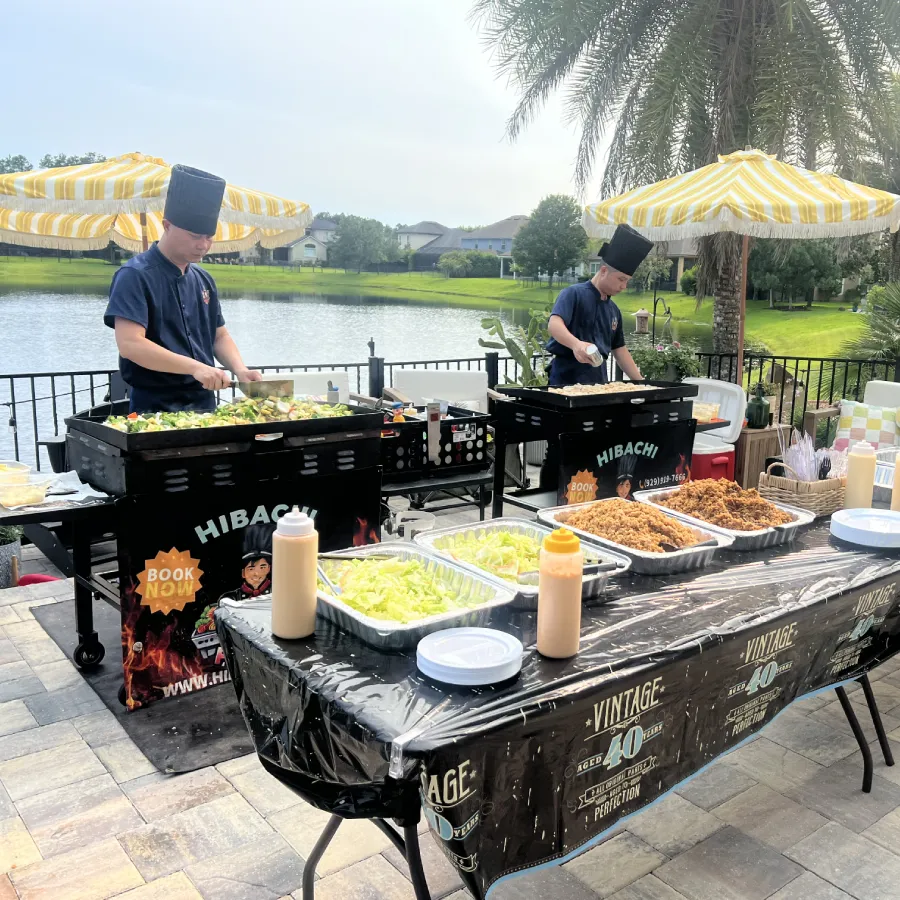
Teppanyaki is a Japanese cooking style where food is prepared on a flat iron griddle, called a teppan, directly in front of guests. The word combines teppan, meaning iron plate, with yaki, meaning grilled or cooked. In the United States, teppanyaki is best known for freshly cooked steak, seafood, vegetables, and fried rice served with interactive tableside entertainment. Teppanyaki and hibachi are also commonly mistaken for the same cooking style in the U.S., and the terms are often used interchangeably, even though they traditionally refer to different cooking methods.
If you have ever eaten at a Japanese steakhouse where the chef cooks your meal in front of you, performs utensil tricks, and serves food straight from the hot grill, you have most likely experienced teppanyaki.
How Teppanyaki Cooking Works?
Teppanyaki cooking is built around a large, flat metal griddle.
Because the cooking surface is solid rather than open like a traditional barbecue grill, the chef can prepare several parts of the meal at once. Meat can be seared at high heat, vegetables can be sautéed nearby, and rice or noodles can be cooked directly on the same surface.
A typical teppanyaki meal may include:
- Steak or filet mignon
- Chicken
- Shrimp
- Scallops
- Lobster
- Fried rice
- Noodles
- Zucchini, onions, mushrooms, and other vegetables
- Dipping sauces and soy-based seasonings
Proteins are often cut into bite-sized pieces while they cook, which helps them sear quickly and makes them easy to serve straight from the grill.
The technique is simple in principle, but a skilled teppanyaki chef uses temperature control, timing, seasoning, and knife work to make sure every part of the meal comes together at the right time.
Where Did Teppanyaki Come From?
Modern teppanyaki developed in Japan during the 20th century.
The style became especially popular with international diners because guests could watch the cooking process from start to finish. Over time, restaurants began adding more interaction and showmanship, turning the meal into more than just food preparation.
As teppanyaki became popular in the United States, the entertainment side became even more prominent.
Today, many Japanese steakhouses combine flat-top cooking with familiar performance elements such as:
- Utensil flipping
- Food tossing
- Fire effects
- The onion volcano
- Playful guest interaction
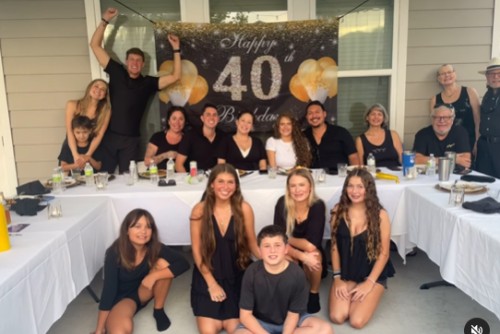
That mix of fresh cooking and entertainment is a big reason teppanyaki remains popular for birthdays, family dinners, celebrations, and group events.
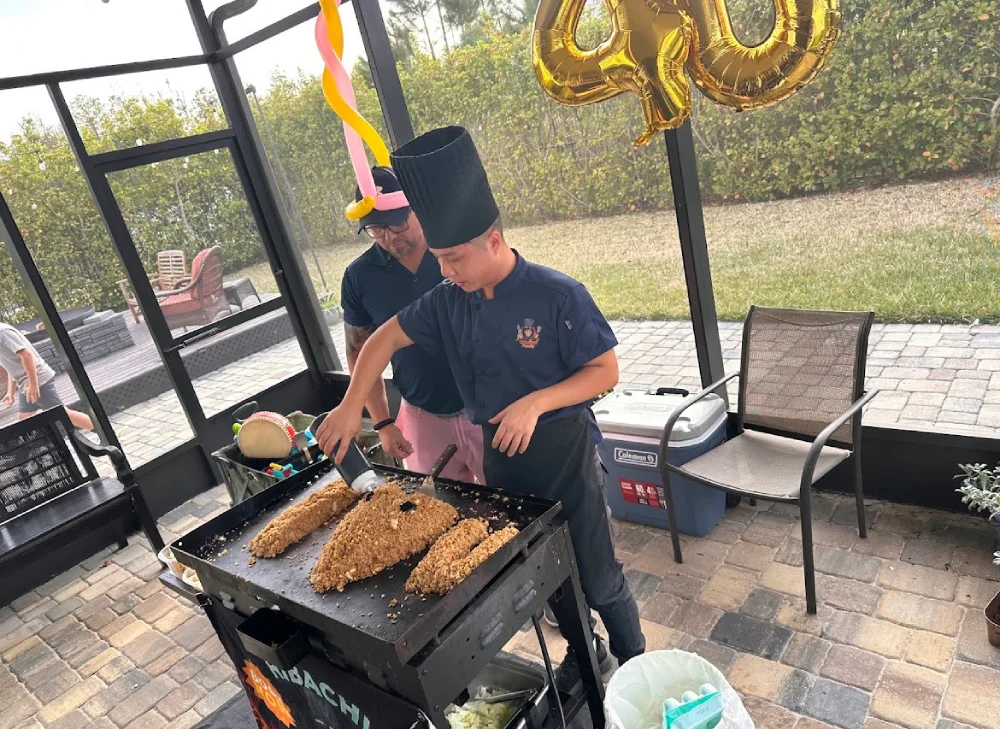
What Makes Teppanyaki Different From Regular Grilling?
The biggest difference is the cooking surface.
Traditional grilling usually involves cooking food over flames, charcoal, or heated grates. Teppanyaki uses a solid flat-top griddle, which gives the chef more control over heat and makes it possible to prepare foods that would be difficult to cook on an open grill.
For example, a teppan is ideal for:
- Fried rice
- Eggs
- Noodles
- Chopped vegetables
- Small pieces of seafood
- Sauces and seasonings
This means teppanyaki combines several cooking techniques in one place, including searing, sautéing, grilling, and stir-frying.
The flat surface also helps the chef move ingredients between hotter and cooler areas of the griddle, which is important when preparing several parts of the meal at once.
What Does Teppanyaki Taste Like?
Teppanyaki food is generally savory, rich in umami, and designed to let the flavor of the main ingredients come through.
Common seasonings may include:
- Soy sauce
- Garlic
- Butter or garlic butter
- Cooking oil
- Salt and pepper
- Teriyaki-style sauces
- Ginger-based dipping sauces
Because the food is cooked quickly at high heat, proteins develop a flavorful seared exterior while remaining tender inside.
Vegetables pick up the flavors of the grill, garlic, butter, and sauces, while fried rice absorbs the savory seasonings used during cooking.
The exact flavor will vary by chef and restaurant, but the overall style is usually straightforward, fresh, and satisfying rather than heavily marinated.
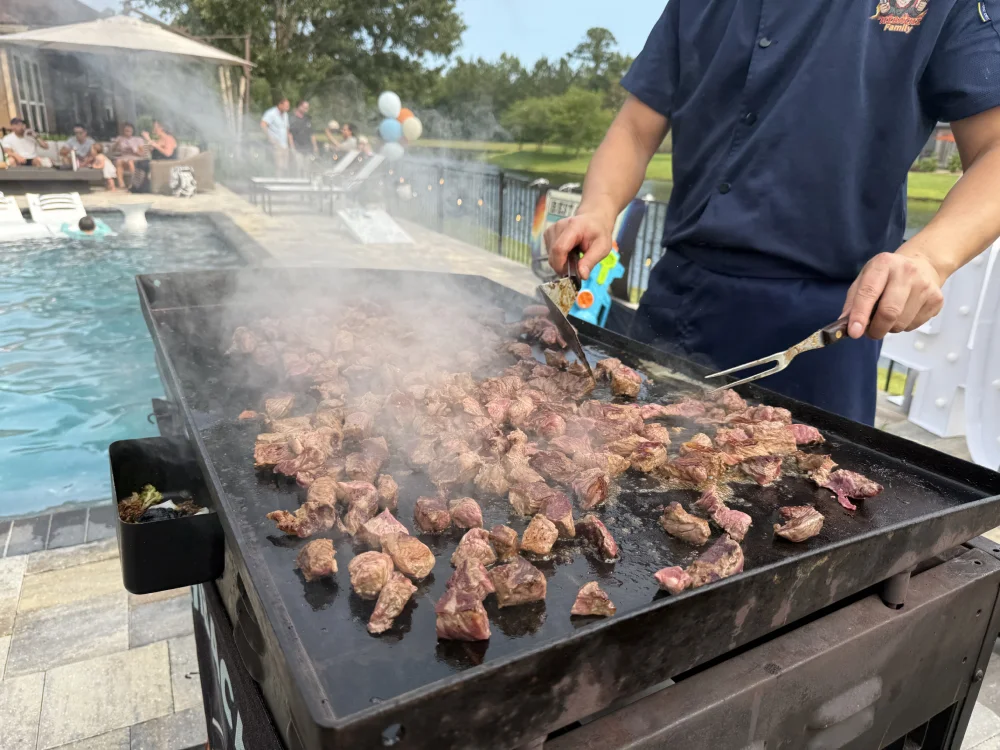
Is Teppanyaki the Same as Hibachi?
Not exactly, although the two terms are often used interchangeably in the United States.
Teppanyaki specifically refers to cooking on a flat iron griddle.
Traditional hibachi, by contrast, historically refers to a smaller heating device or open grill, often associated with charcoal cooking.
In American dining culture, however, the word hibachi is commonly used for the teppanyaki-style experience where a chef cooks in front of guests on a flat-top grill.
That is why you will often see phrases such as:
- Hibachi restaurant
- Hibachi chef
- Hibachi dinner
- Hibachi catering
- Hibachi grill
even when the actual cooking method is technically teppanyaki.
For a more detailed comparison of the cooking methods, equipment, history, and terminology, read our guide: Hibachi vs. Teppanyaki: What’s the Difference?
Why Teppanyaki Is Such a Social Dining Experience?
One of the things that makes teppanyaki different from a typical restaurant meal is that the cooking happens right in front of you.
Instead of waiting for food to arrive from the kitchen, you watch the chef prepare each part of the meal on the grill.
That creates a more interactive atmosphere.
The chef may chat with guests, perform tricks, create fire effects, and serve food as it is finished cooking. Everyone around the table is watching the same thing, which naturally makes the meal feel more social.
That is why teppanyaki is often chosen for:
- Birthday parties
- Family gatherings
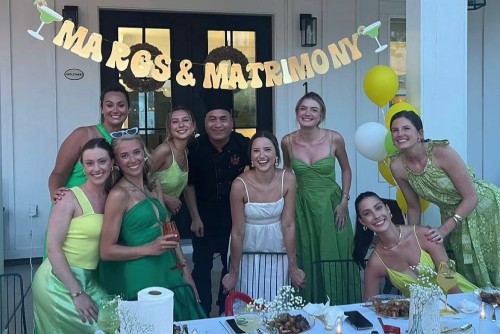
- Bachelor and bachelorette parties
- Graduation celebrations
- Corporate events
- Weddings
- Holiday gatherings
The cooking becomes part of the event rather than simply something happening behind the scenes.
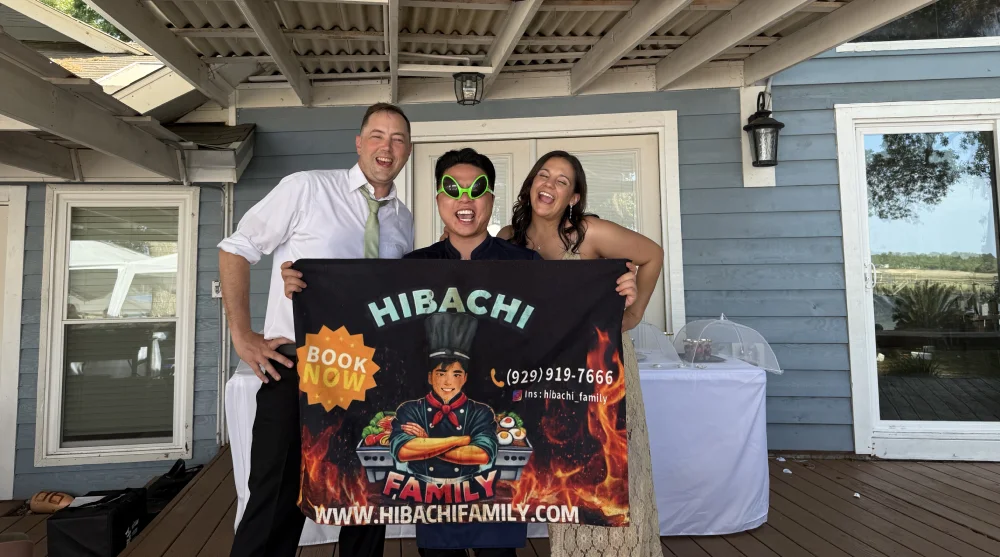
Can You Enjoy Teppanyaki-Style Cooking at Home?
Yes.
The growth of mobile hibachi and private hibachi catering means you no longer have to visit a Japanese steakhouse to enjoy this type of experience.
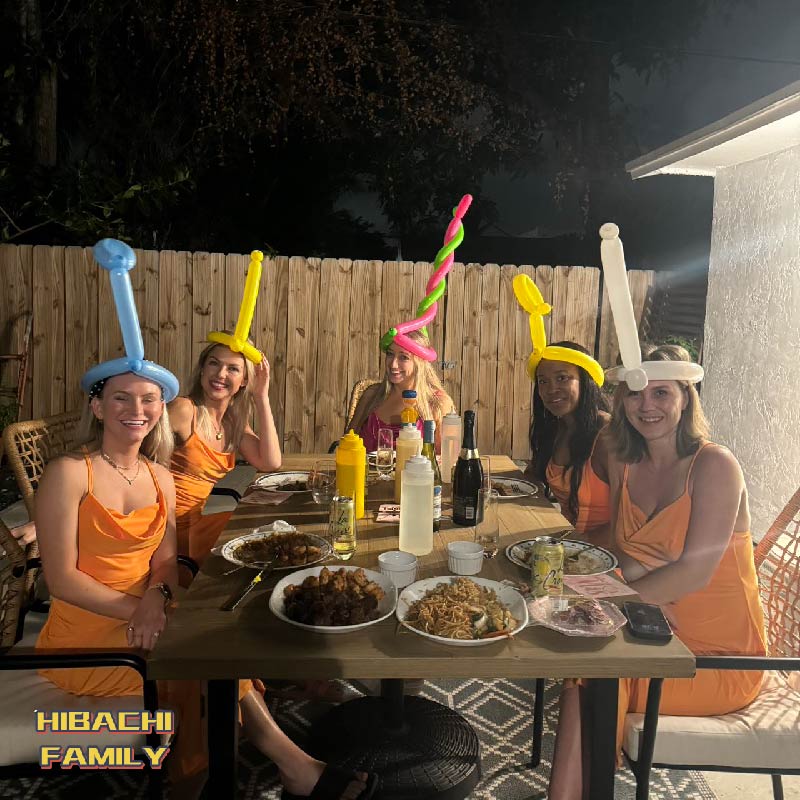
At Hibachi Family, we bring a private chef and portable flat-top grill directly to your home, backyard, vacation rental, or event location.
Your chef prepares hibachi-style proteins, fried rice, vegetables, and other favorites in front of your group while providing the live cooking and entertainment that make the experience so popular.
It is a convenient way to enjoy the social side of teppanyaki while staying in your own space with family and friends.