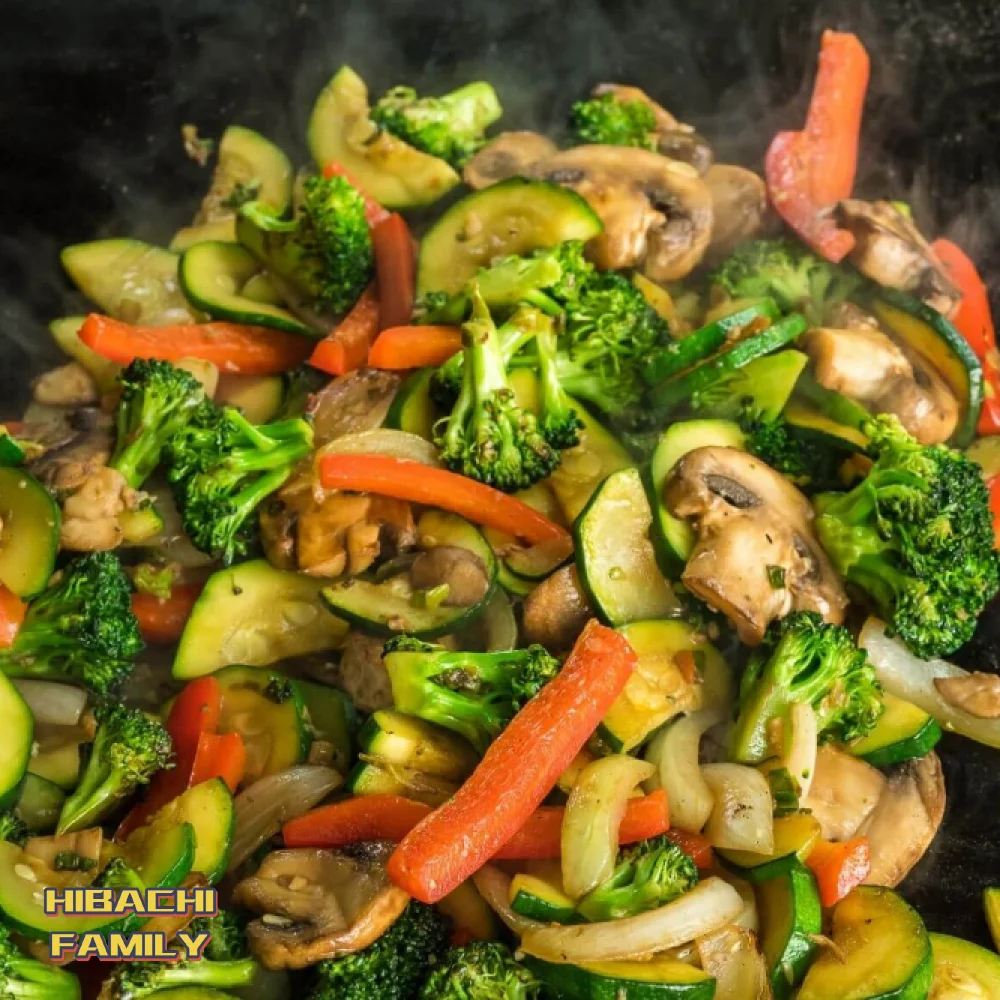



Hibachi is a fun, flavourful, and unforgettable dining experience—but for some people, a big hibachi meal may lead to stomach discomfort shortly after eating. If you’ve ever wondered “Why does hibachi give me diarrhea?” you’re not alone. It’s a common concern, and the reasons behind it vary from person to person.
At Hibachi Family, we cook fresh hibachi meals for private events and home dining experiences across Florida. While hibachi is generally safe and enjoyable for most guests, certain ingredients or cooking styles may trigger digestive symptoms in sensitive individuals.
This guide explores possible causes behind post-hibachi stomach issues, how your body may react to specific foods, and what you can do to enjoy hibachi more comfortably.
Note: This information is educational only and not a substitute for medical advice.
1. Food Sensitivities and Intolerances
One of the most common reasons people experience diarrhea after eating hibachi is due to food sensitivities. Even if you enjoy hibachi frequently, a particular ingredient may trigger digestive discomfort.
Common culprits include:
- Butter or dairy used in hibachi cooking
- Soy sauce, which contains gluten and sodium
- Certain proteins, such as shellfish
- Eggs used in fried rice
- Garlic or onion, which can irritate sensitive stomachs
- MSG in some seasonings (not always used, but common in restaurants)
If your digestive system struggles to break down one of these ingredients, your body may react with cramping, loose stools, or diarrhea.

2. High-Fat Content From Oils and Butter
Hibachi meals often include garlic butter, sesame oil, or other cooking fats that enhance flavour and help create that signature hibachi sizzle.
However, high-fat meals can be difficult for some people to digest, especially if consumed quickly or in large portions. When the digestive system struggles to break down excess fat, it may speed up intestinal movement—leading to diarrhea.
If you know fatty foods bother you, consider requesting:
- Light butter
- Less oil
- No added sauces
- Extra vegetables
Hibachi Family offers full customisation, so guests can request lighter, gut-friendly versions of their meal.
3. Large Portion Sizes and Rich Meals
Many hibachi meals are generous in size—steak, chicken, shrimp, vegetables, noodles, fried rice, and sauces all on one plate. Overeating or eating too quickly can overwhelm your digestive system.
When your stomach expands rapidly or works overtime to break down a large meal, symptoms may include:
- Bloating
- Indigestion
- Diarrhea
- Gas or discomfort
Listening to your body and pacing yourself can help reduce digestive stress.
4. Food Allergies or Shellfish Sensitivity
Hibachi restaurants often cook multiple proteins on the same grill—shrimp, scallops, chicken, steak, and more. If someone is sensitive or allergic to shellfish, even small amounts of cross-contact may trigger a reaction.
Mild shellfish reactions sometimes cause digestive symptoms such as:
- Diarrhea
- Nausea
- Cramping
- Vomiting
If you suspect a seafood allergy, avoid shrimp and scallops and notify the hibachi chef. Hibachi Family chefs can prepare your meal separately to minimise cross-contact risks.
5. Sodium Sensitivity
Soy sauce, teriyaki sauce, and hibachi seasonings are typically high in sodium.
Excess sodium can cause:
- Water retention
- Rapid digestion
- Loose stools in sensitive individuals
If you’re sodium-sensitive or rarely consume salty foods, your body might respond more dramatically after a hibachi meal.
Requesting low-sodium soy sauce or lighter seasoning may help.
6. Lactose Intolerance
Garlic butter is a staple of hibachi cooking, especially on fried rice, proteins, and vegetables. If you’re lactose intolerant, even small amounts of dairy can cause:
- Diarrhea
- Gas
- Bloating
- Stomach cramps
A simple fix is requesting no butter or a dairy-free preparation.
Hibachi Family can accommodate this easily.
7. Spice or Seasoning Sensitivity
Some people experience digestive issues when consuming spicy foods or heavy seasonings. While hibachi isn’t typically spicy, certain ingredients—sesame, ginger, garlic, black pepper—may irritate sensitive stomachs.
If you have a known sensitivity, opt for:
- Plain grilled protein
- Minimal seasoning
- Extra vegetables
- Light sauces
This keeps the experience flavourful but easier on your digestive system.
8. Irritable Bowel Syndrome (IBS) or Digestive Conditions
If you have IBS or another digestive condition, hibachi’s combination of fats, sauces, large portions, and rapid eating may trigger symptoms.
Common IBS triggers that may be present in hibachi include:
- Garlic
- Onion
- Soy
- Fatty foods
- Wheat or gluten
- Large, mixed meals
If you have a digestive condition, consider building a simpler, customised hibachi plate.

How Hibachi Family Helps You Enjoy Hibachi Without Digestive Issues
Because Hibachi Family cooks fresh hibachi at your home or event in Florida, you have complete control over how your meal is prepared. This makes it much easier to enjoy hibachi without discomfort.
We can tailor meals with:
- Low-oil and low-butter options
- Lighter seasonings
- No-sodium or low-sodium preparation
- Separate cooking for allergy concerns
- Plain grilled proteins and veggies
- Custom portion sizes
Just let your chef know your preferences, and we’ll adjust your meal accordingly.
When Should You See a Doctor?
If hibachi—or any meal—regularly causes diarrhea, or if symptoms are severe, persistent, or accompanied by other concerns, consider speaking with a healthcare professional. They can help identify allergies, intolerances, or underlying conditions.
Enjoy Hibachi Comfortably With Hibachi Family
Hibachi can be delicious and enjoyable, even for those with sensitive stomachs. With the right adjustments and awareness of your triggers, you can savour the hibachi experience without discomfort.
If you’re ready for a fully customised, chef-prepared hibachi dinner at home or at your next event, Hibachi Family is here to help.
Book your Florida hibachi experience at:
👉 https://hibachifamily.com/