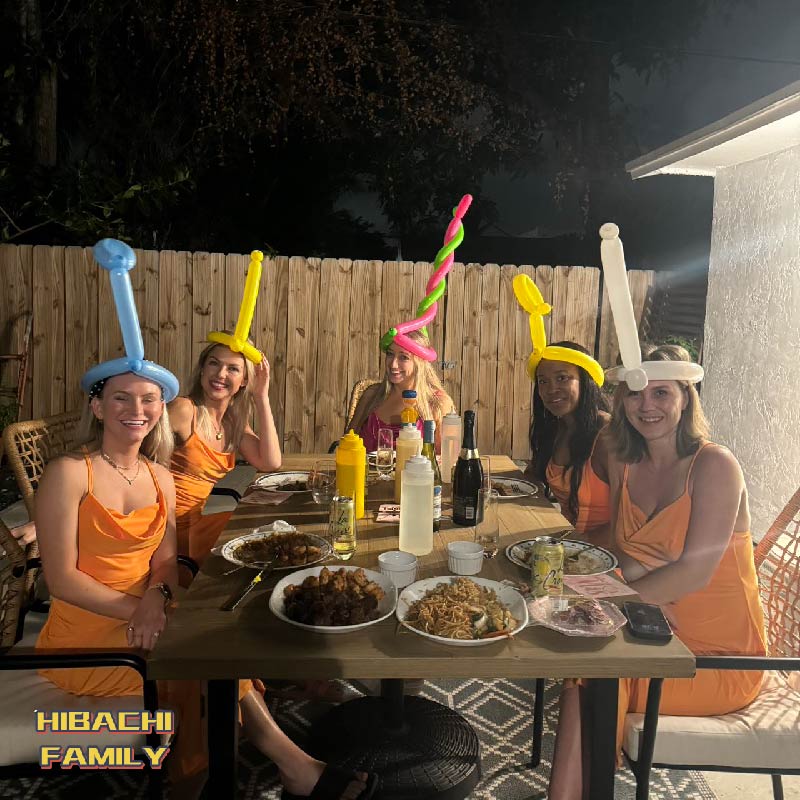






















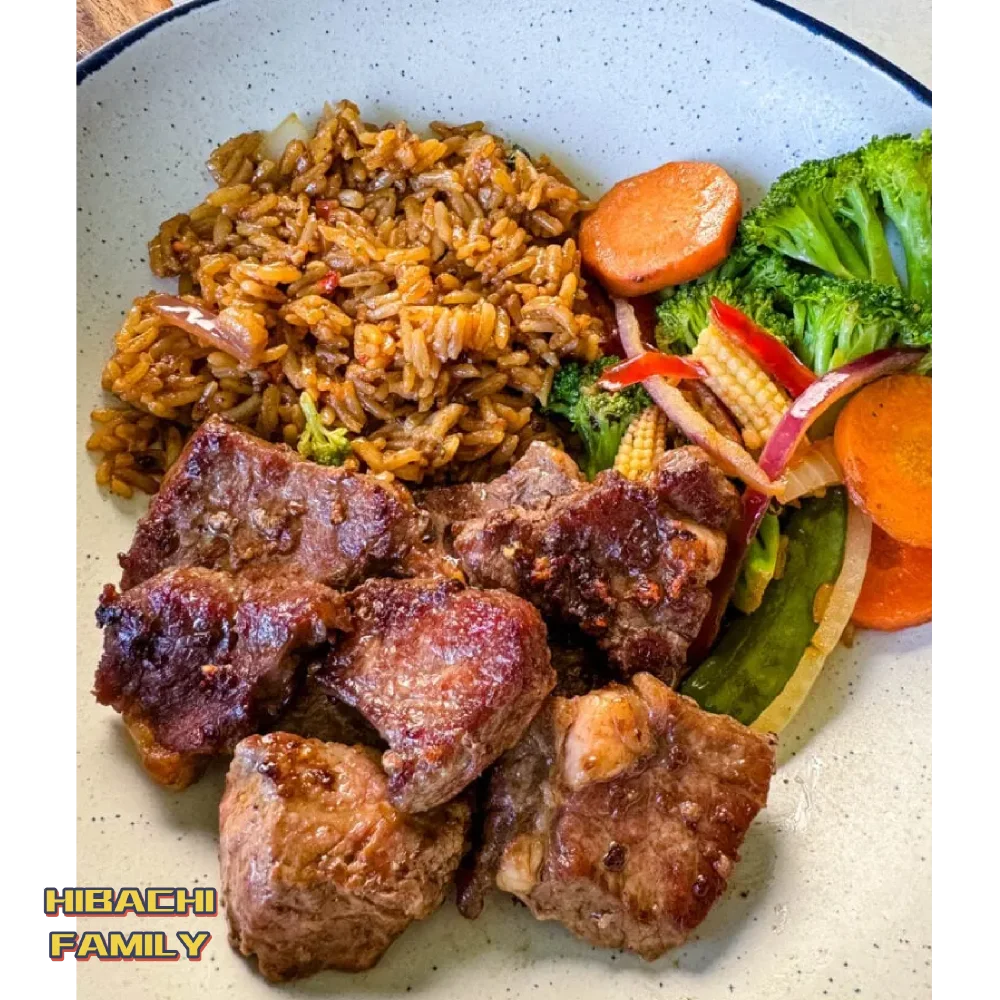
Managing diabetes doesn’t mean you have to avoid fun, flavourful meals. Hibachi—whether it’s a restaurant-style plate or an at-home hibachi experience—often looks “safe” on the surface: grilled protein, vegetables, and rice. But the real question is what happens behind the flavour: sauces, portion sizes, and hidden carbs.
So, can diabetics eat hibachi?
Yes—most diabetics can eat hibachi, and it can be a solid option when you know what drives blood sugar changes and how to build a more balanced plate.
This guide explains what typically raises blood glucose in a hibachi meal, how to order in a diabetes-friendly way, and how to enjoy hibachi without turning the meal into a stressful math problem.
Important note: This article is for general informational purposes only and is not medical advice. Diabetes management is personal—please consult your doctor, dietitian, or healthcare team for guidance specific to your needs, medications, or insulin plan.
Why hibachi can be a good choice for diabetics?
A diabetes-friendly meal usually includes:
- Protein (helps you feel full and can slow digestion)
- Non-starchy vegetables (fibre + lower carb impact)
- A controlled portion of carbohydrates (rice/noodles)
- Minimal added sugar (sweet sauces and glazes)
Hibachi naturally fits this structure because the core ingredients are straightforward. The main issue isn’t hibachi itself—it’s how quickly carbs and sugary sauces can stack up if you’re not paying attention to portions.
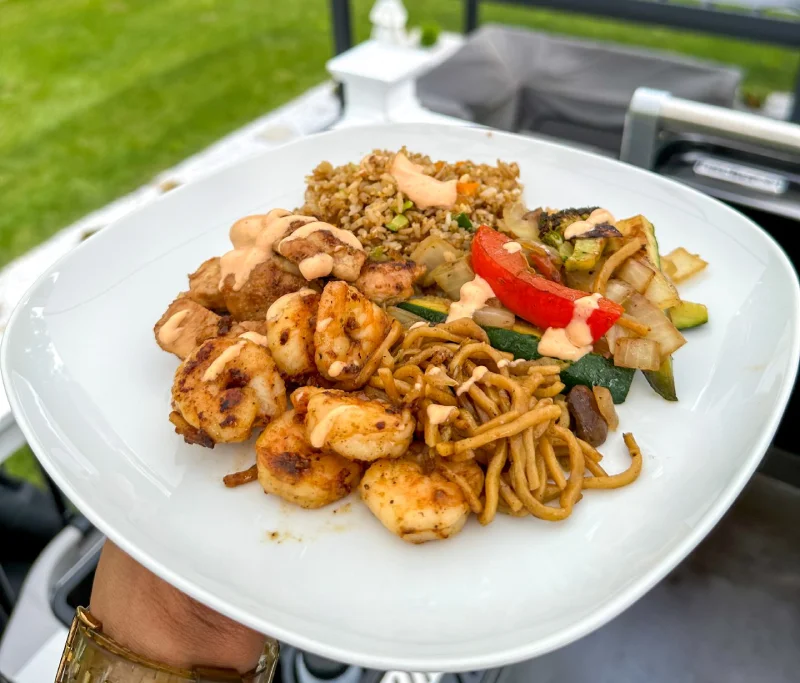
What affects blood sugar the most in hibachi?
1) Rice and noodles (the biggest carbohydrate source)
For most people with diabetes, the largest blood sugar rise comes from the amount of rice or noodles on the plate.
- White rice is a fast-digesting carbohydrate.
- Noodles can be similar, especially when portion sizes are large.
- Fried rice adds oil and extras (and sometimes sweeter seasoning), making it easy to eat more than you planned.
You don’t necessarily need to avoid rice or noodles entirely—portion control is the lever that matters most.
2) Sweet sauces and glazes (added sugar)
Hibachi flavour often comes from sauces. Some are mostly salty, while others have a sweet base that can push blood glucose higher.
- Teriyaki-style sauces and sweet glazes often contain added sugar.
- The amount used matters more than whether it’s included at all.
A simple strategy that works in real life: keep sauce on the side and use a small amount for taste.
3) “Hidden” carbs in extras
Some hibachi add-ons can increase carbs without feeling like “carbs,” such as:
- fried or breaded sides (batter)
- sweet dipping sauces
- larger portions of rice served as the default
The best hibachi approach for diabetes: build your plate in the right order
Instead of thinking “What can’t I have?”, think plate structure:
Step 1: Start with protein
Protein supports steady energy and helps reduce the chance of feeling hungry soon after the meal.
Common hibachi proteins:
- Chicken hibachi (often a reliable choice)
- Steak hibachi (fine for blood sugar, but watch saturated fat if you’re also managing cholesterol)
- Shrimp hibachi (lean, but naturally higher in dietary cholesterol; still workable depending on your overall goals)
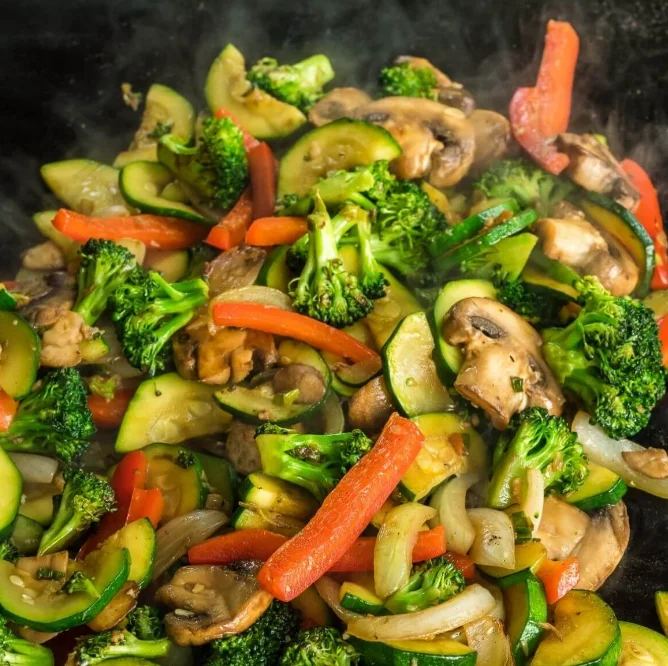
Step 2: Add plenty of vegetables
Hibachi vegetables are typically non-starchy and fibre-rich:
- zucchini, mushrooms, onion
- broccoli, cabbage, peppers (varies)
Vegetables add volume and fibre, which can support more stable post-meal blood sugar levels.
Step 3: Treat rice/noodles as a side, not the base
You can still enjoy hibachi rice or noodles—just keep it measured.
Practical options:
- smaller portion of rice
- half rice, extra vegetables
- skip noodles if you’re already having rice
- share rice if portions are large
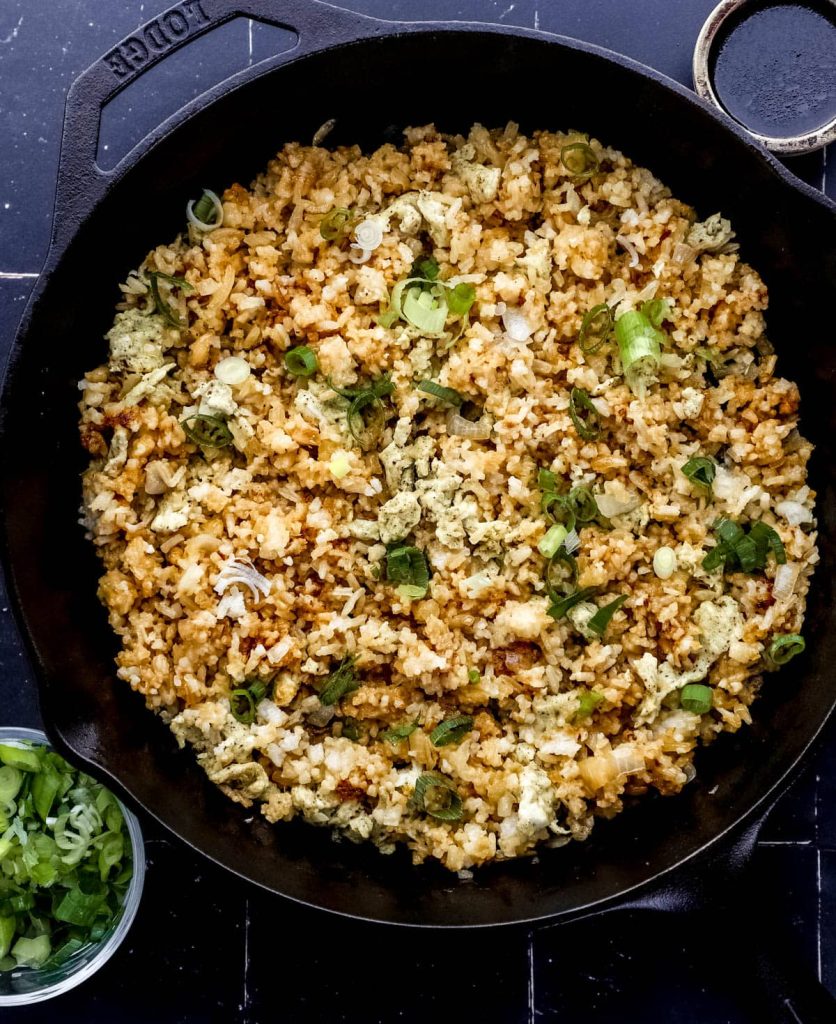
What about fried rice for diabetics?
Fried rice is not automatically “off limits.” The challenge is that it’s easy to eat a lot of it quickly, and large servings can raise blood glucose.
If you want fried rice, the most realistic approach is:
- have a smaller serving
- pair it with extra vegetables
- keep sweet sauce minimal
- prioritise protein so you don’t rely on rice to feel full
Sauces and seasoning: how to keep flavour without the spike
The goal isn’t to eat bland hibachi. It’s to keep the flavour while lowering the blood sugar impact.
Here’s a simple way to think about common sauces:
- Soy sauce: usually low sugar, but higher sodium → use lightly
- Teriyaki-style sauce: often higher sugar → use sparingly
- Creamy sauces (like yum yum): not always sugary, but can be higher in fat/calories → small portions
Best practice: sauce on the side + dip rather than pour.
Diabetes-friendly hibachi ordering examples
Here are easy combinations that still feel like a “normal” meal:
Option A: Balanced, easy to manage
- Chicken hibachi
- Extra vegetables
- Small portion of rice
- Sauce on the side
Option B: Lower-carb focus (without being restrictive)
- Steak or shrimp hibachi
- Double vegetables
- Skip noodles
- Minimal sweet sauce
Option C: You want fried rice, but you want control
- Any protein hibachi
- Extra vegetables
- Half portion fried rice
- Sauce on the side
A quick note on insulin, carb counting, and individual targets
Diabetes management is personal. Your ideal hibachi plate can depend on:
- your carb goals per meal
- medications and timing (including insulin dosing)
- your activity level
- whether you use a CGM (continuous glucose monitor)
If you’re carb counting, hibachi is easier than many meals because the carbs usually come from one main place: rice and noodles, plus sweet sauce. For medical guidance specific to insulin or medication changes, it’s best to check in with your healthcare provider or dietitian.

Final answer: can diabetics eat hibachi?
Yes—diabetics can eat hibachi, and hibachi can be a smart option because it’s typically built around grilled protein and vegetables. The biggest factors that influence blood sugar are rice/noodle portions and sweet sauces. Keep the plate protein-forward, load up on vegetables, and treat carbs as a controlled side—then hibachi becomes far easier to enjoy with confidence.
If you’re planning a hibachi-at-home experience, Hibachi Family brings the full hibachi energy while keeping the menu flexible for different preferences at the table. Learn more at https://hibachifamily.com/.